
The headlines surrounding major tech acquisitions, like Austin Technology acquiring Lumity, confirm what many Australian business leaders are already feeling: Artificial Intelligence is no longer a futuristic experiment. It is maturing into the core operational fabric of modern enterprise.
TL;DR: The era of isolated AI tools (Proof-of-Concept) is ending. AI is shifting to integrated, end-to-end platforms. For Australian SMBs, this means massive productivity gains are possible, but the risk profile also increases dramatically. Your immediate focus must pivot from 'What AI can we use?' to 'How do we secure every piece of data that flows through these new automated systems?'
The Maturity Curve: Why Integrated Automation Matters
For years, adopting AI meant running small, contained pilots,a chatbot on the website, or a single spreadsheet macro. These were manageable experiments.
However, as industry leaders like Austin Technology demonstrate through acquisitions, the market is moving towards holistic platforms. This means connecting your CRM to your inventory system, linking HR data to customer support workflows, and automating decision-making across multiple departments simultaneously. This integration is the key driver of true AI automation for business Australia.
This shift promises unparalleled efficiency. Instead of just providing a 'business AI tool Australia' to solve one problem, these new platforms promise comprehensive workflow automation,solving dozens of problems by making systems talk to each other flawlessly. The goal is seamless operational flow, not just digital novelty.
The Cybersecurity Challenge: Complexity Equals Risk
If the opportunity lies in integration, the risk lies precisely within those connections. When you link five different software platforms together using AI workflows, you are creating a vastly larger attack surface than when they stood alone.
This is where most SMBs stumble. They focus their budget and attention on building the automation (the 'doing') but neglect the underlying infrastructure security (the 'guarding').
- Data Governance: Where does the AI store the data it learns from? Who owns that output?
- Single Point of Failure: If one connected system is compromised, an attacker can use those integrated pathways to move laterally and access your most sensitive assets.
- Compliance Burden: Integrated systems must adhere to Australian privacy laws (such as GDPR standards) across every touchpoint, which adds layers of complexity.
Adopting sophisticated AI requires a strategic shift in mindset,security cannot be an afterthought; it must be the foundational layer upon which all automation is built.
Developing Your Secure AI Strategy for Companies
Successfully navigating this wave of digital transformation demands a structured, security-first approach. Here are practical steps Australian decision-makers should take before committing to large-scale AI workflow automation Australia:
- Inventory and Govern Data First: Do not start automating processes until you have mapped your data assets. Understand exactly where your sensitive customer information (PII) resides, who has access, and how it is currently backed up. If the foundation is messy, the AI will learn bad habits.
- Prioritize Zero Trust Architecture: This concept dictates that no user, device, or application,even one inside your office network,should be automatically trusted. Every single connection point within your automated workflow must be authenticated and authorized. This significantly mitigates risk if an attacker gains entry through a less critical system.
- Start with Low-Risk Processes: Instead of automating mission-critical financial processes immediately, start with internal, isolated workflows (like summarizing meeting notes or generating internal reports). Use these pilots to test your security protocols in a safe environment first.
AI Automation for Business Australia Practical Tips
To help you build that strategic roadmap, consider these actionable tips:
🛡️ Cybersecurity Tips
- Implement Multi-Factor Authentication (MFA) on every single platform used in an automated workflow.
- Regularly audit third-party AI service connections to ensure they are adhering to your security policies.
💡 AI Productivity Tips
- Focus initial automation efforts on repetitive, data-heavy tasks that drain employee time, rather than complex decision-making tasks.
- Demand transparency from vendors: Ask how their platform handles data anonymization and retention after the workflow is complete.
Entivel Perspective: Turning This Into Safer Growth
The potential for AI automation for business Australia is undeniable, but the complexity of managing interconnected systems makes it a high-stakes endeavor. It requires expertise that goes far beyond simply buying software.
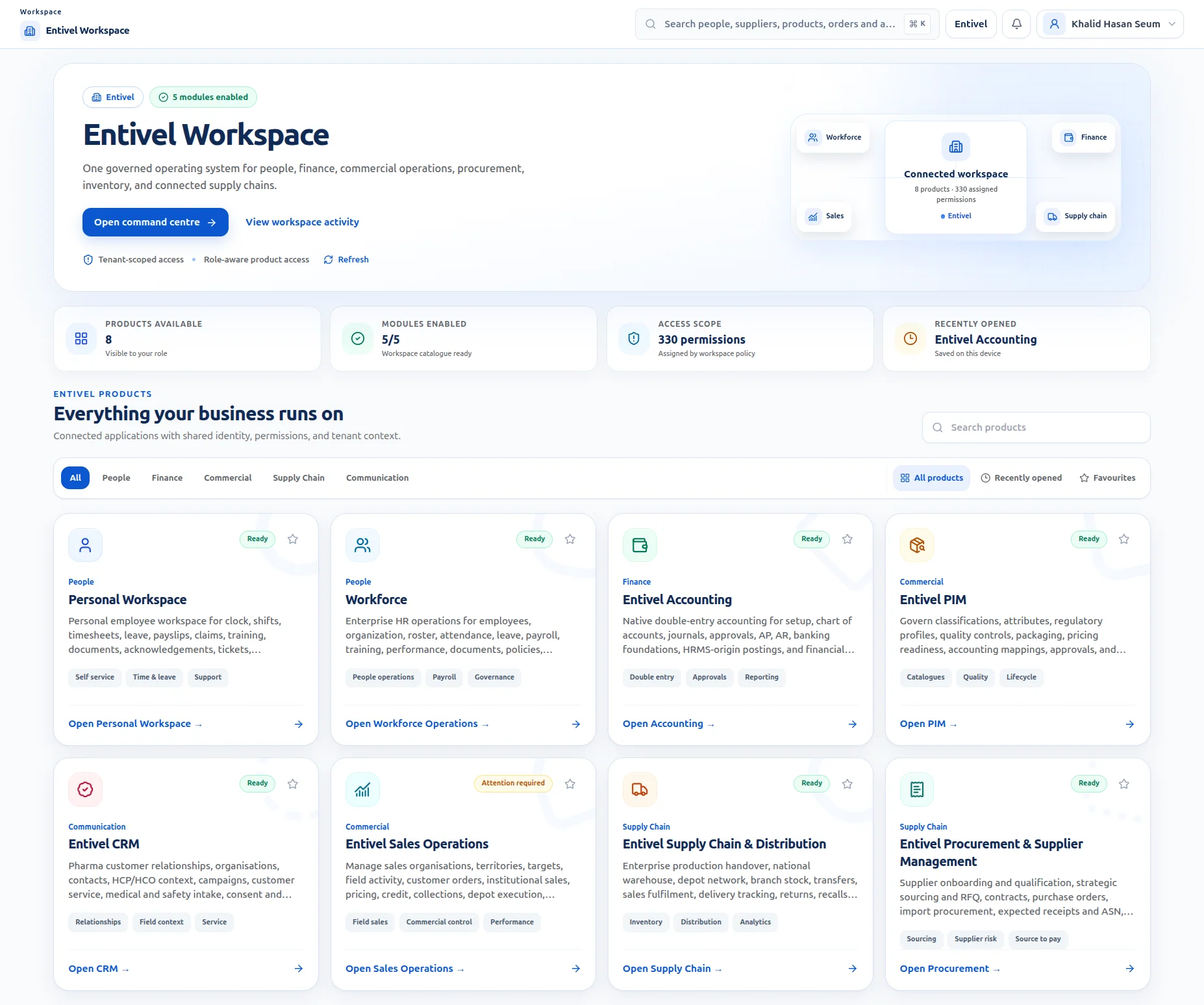
At Entivel, we understand that modern digital growth must be synonymous with robust security. Our focus is on building secure, integrated environments,from cloud risk management and sophisticated cybersecurity layers to the implementation of foundational AI systems. We help businesses move past isolated tools and build true, resilient automation platforms without compromising data integrity or compliance.
Don't let the promise of efficiency blind you to the operational risks. By treating security as the primary pillar of your digital strategy, you ensure that your investment in business AI tools Australia is not just productive, but truly protected.
Start Your Secure Digital Strategy Assessment Today
How Entivel can help
Entivel helps businesses review website security, access control, cloud exposure and software risk before small issues become expensive incidents. Learn more at https://entivel.com.