
The modern digital economy promises a level of entrepreneurial access previously unimaginable. A story recently surfaced detailing how a first-time founder utilized readily available, free artificial intelligence tools to take an idea from mere concept to market launch in just 60 days. It is a compelling narrative of democratized success: proof that initial capital and technical expertise are no longer the primary barriers to entry.
Executive summary:
While consumer-grade AI platforms offer unprecedented speed for prototyping, relying on these free tools for core business functions introduces significant, often overlooked risks related to data sovereignty, enterprise security, and regulatory compliance. True scaling requires a critical pivot from 'quick fixes' to integrated, secure infrastructure...
The Allure of the 60-Day Launch
The initial success stories are undeniably motivating. They demonstrate the power of generative AI and readily available SaaS tools to streamline tasks ranging from content creation and basic coding to complex data analysis. For a first-time owner, these free resources feel like magic, a shortcut that bypasses months or years of traditional development cycles. This rapid prototyping capability has lowered the barrier to entry for global entrepreneurs, making digital ambition accessible to almost anyone with an idea.
These tools excel at validating market fit and building Minimum Viable Products (MVPs). They allow founders to gather real-world user feedback quickly and cheaply, which is invaluable early in the journey. This initial phase of 'AI productivity tips' can genuinely fuel momentum and build crucial early revenue streams.
The Critical Juncture: Why Free Tools Fail at Scale
The danger inherent in these rapid launches lies precisely where the founder’s enthusiasm meets the enterprise reality. What works for a solo project often collapses when subjected to the rigors of commercial scale, regulatory scrutiny, and increased data volume.
When leveraging consumer-grade business AI tools, founders are typically accepting terms and conditions that prioritize convenience over security. This creates several critical vulnerabilities:
- Data Sovereignty Risks: Free platforms often process data through global servers, meaning your sensitive customer or proprietary business data may reside in a jurisdiction with unfavorable privacy laws, violating local compliance standards.
- Lack of Enterprise Security Controls: Consumer tools lack the sophisticated access controls, multi-factor authentication requirements, and dedicated network segmentation necessary for handling mission-critical data.
- Compliance Blind Spots: Whether you deal with financial data (PCI DSS) or health information (HIPAA), free AI platforms are not designed or audited to meet global regulatory standards. Scaling means moving from a hobby project to a regulated entity.
Understanding the Gap: From Proof-of-Concept to Professional Infrastructure
The transition point, the moment you move past the initial MVP and begin serious growth, is where most early-stage businesses stumble. The focus shifts from 'Can this work?' to 'Is this sustainable, secure, and compliant?'
This requires a strategic shift in thinking regarding AI workflow automation. It is no longer enough to simply connect an AI API endpoint; the entire surrounding infrastructure must be hardened.
The Need for Secure AI Adoption
Scaling demands that your technology stack is not just functional, but resilient. This means integrating foundational cybersecurity measures at the architecture level, rather than treating them as an afterthought. For example, if a business uses free tools to manage customer sign-ups and marketing automation, they are exposed when those systems lack proper role-based access control or audit logging.
Business Technology Tip:
Think of your AI architecture as a physical building. Free tools let you put up the façade quickly, but enterprise security requires reinforced foundations, compliant wiring, and fire suppression systems before tenants (your clients) move in.
Practical Tips by Category
To guide businesses through this critical growth phase, consider these actionable strategies:
AI Tips
Focus on using AI for augmenting human intelligence rather than replacing core security or compliance functions. Start with defined internal processes (e. g., drafting first-pass content) before connecting it directly to customer data pipelines.
Cybersecurity Tips
- Implement Zero Trust Architecture principles, ensuring no user or system is trusted by default, regardless of location.
- Prioritize strong encryption both at rest (storage) and in transit (transfer).
- Regularly vet third-party AI service providers for their security certifications and data handling policies.
Business Technology Tips
Before integrating a new automation tool, map out the entire data lifecycle: where does it originate? Where is it stored? Who has access? And how long must it be retained for compliance?
What Businesses Should Do Next
If your business launched rapidly using free or consumer-grade AI tools, do not panic. Instead, treat this success as the signal to invest in structural maturity. The next phase of growth is about professionalizing your digital backbone.
- Audit Your Data Flow: Identify every piece of customer data that touches a non-enterprise platform.
- Define Compliance Requirements: Consult with legal and security experts to establish mandatory compliance frameworks (GDPR, CCPA, etc.).
- Plan for Secure Integration: Start mapping out how your core systems will communicate using secure, compliant APIs rather than simple integrations.
Entivel Perspective: Turning This Into Safer Growth
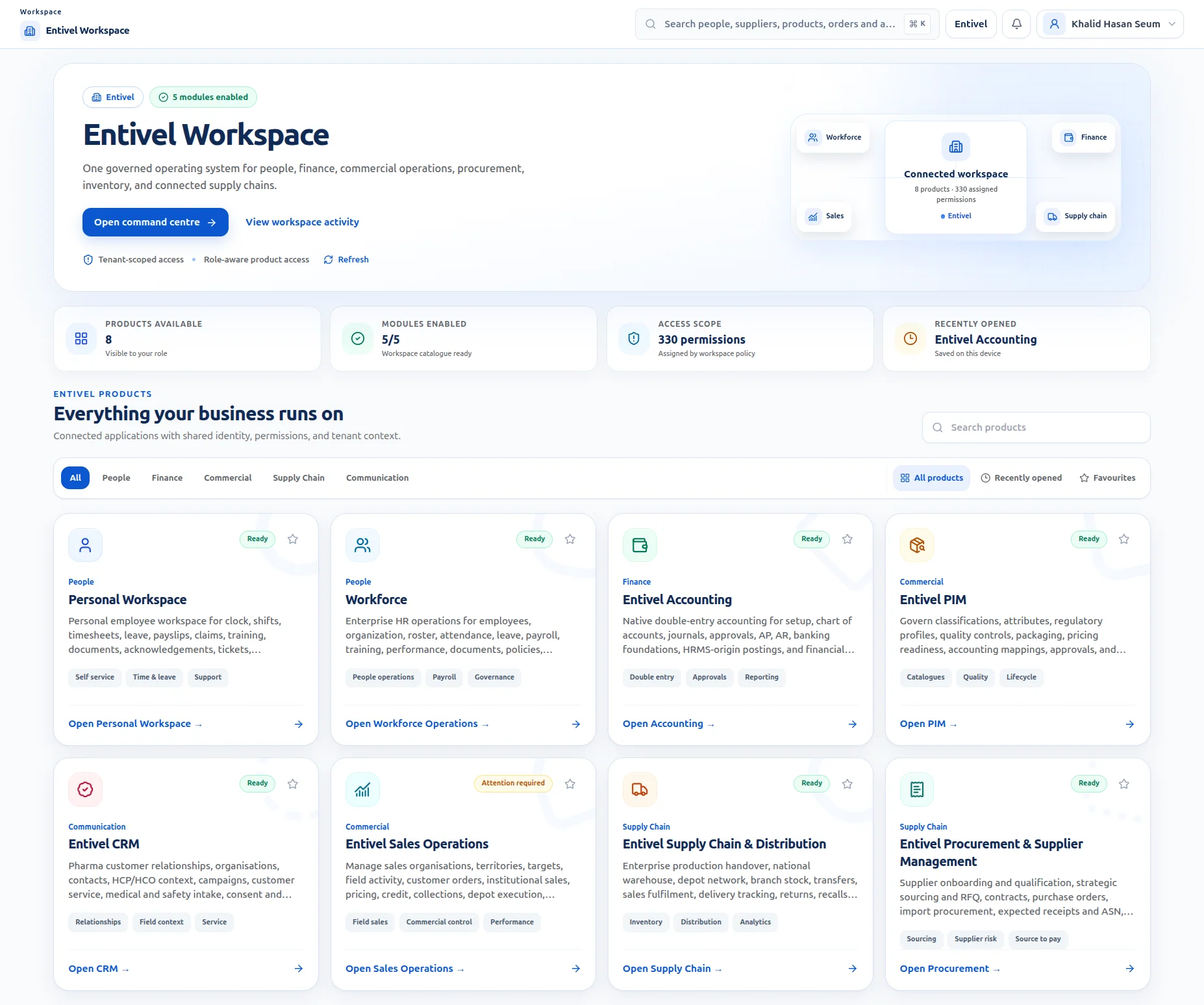
The journey from a functional MVP to an enterprise-grade machine requires specialized expertise in AI automation for business. At Entivel, we specialize in bridging this exact gap.
We help businesses move beyond the limitations of consumer tools by designing and implementing secure, compliant digital systems. This includes:
- Building robust AI workflows that adhere to strict data governance policies.
- Integrating advanced cybersecurity measures directly into your cloud infrastructure.
- Developing scalable web platforms designed for international compliance and growth.
The key takeaway is this: speed of launch is valuable, but secure, compliant scalability is priceless. Partnering with experts who understand both the innovative power of AI and the non-negotiable demands of global cybersecurity ensures that your next 60 days are not just successful, but sustainable.