
The integration of artificial intelligence into historically sensitive sectors, such as global healthcare, represents one of the most significant technological shifts of our time. While the potential benefits, from accelerating diagnoses to optimizing resource allocation, are revolutionary, they come with equally complex challenges regarding data privacy, regulatory compliance, and system security. For international businesses looking to leverage AI automation for business growth, the key question is no longer if you should adopt AI, but how securely and responsibly you can do so.
Executive summary:
The focus on secure AI foundations in healthcare signals a global industry maturation. Businesses must prioritize governance over speed when adopting business AI tools. Successful adoption requires integrating robust cybersecurity protocols, ensuring compliance with regional regulations (like HIPAA or GDPR), and developing a comprehensive AI strategy for...
What Happened: The Shift to Governed AI
Recently, major technology players, including Microsoft, have heavily focused their AI development efforts on the healthcare sector. This isn't merely about deploying new algorithms; it is a deliberate move toward building secure, compliant platforms designed specifically for life-critical data.
The core message across these developments is that simply having powerful business AI tools is insufficient. The foundational layer must be impenetrable. These systems are being engineered to handle highly sensitive patient records while adhering to complex international legal frameworks. This means the focus shifts from raw computational power to verifiable trust, auditable processes, and strict data residency controls.
Why Secure AI Matters for International Business
For any business operating globally, be it a healthcare provider, a financial services firm, or an industrial manufacturer, the lessons learned in the highly regulated medical sector apply directly to your bottom line. The implications are profound:
- Risk Mitigation: Data breaches involving AI systems carry catastrophic financial and reputational costs. Secure foundations prevent these vulnerabilities before they can be exploited.
- Market Access: Global clients, especially in regulated industries, will not adopt solutions that lack verifiable security certifications. Responsible AI adoption is becoming a prerequisite for market entry.
- Operational Efficiency: When AI workflows are built on secure pillars, organizations gain confidence to scale their AI workflow automation across departments without fear of compliance failure or system compromise.
Business Impact: Beyond the Technology
The shift toward regulated AI fundamentally changes how executives must view digital transformation. It forces a transition from viewing technology as a cost center to treating it as a governed, risk-adjusted asset.
If your current AI automation for business initiatives are siloed or lack clear governance, they represent significant blind spots. The opportunity lies in building end-to-end digital ecosystems where data flows securely from the source (e. g., patient intake) through processing (AI analysis) to the final outcome (diagnosis support), all within a compliant environment.
The Strategic Imperative: Governance First
Companies must adopt an AI strategy for companies that places governance and ethical oversight at its core. This means establishing internal review boards, defining clear data ownership policies, and ensuring every automated process can be audited back to a human-readable compliance point.
Tip: Start small with non-critical processes (like internal document sorting) before attempting high-risk, patient-facing automation. This allows teams to perfect their governance models safely.
Practical Tips by Category
To help international organizations navigate this complexity and ensure a secure digital transformation journey, consider these practical steps:
AI Productivity Tips
- Define Scope Narrowly: Do not attempt to automate an entire department at once. Focus on one specific, measurable pain point (e. g., summarizing meeting transcripts) to prove value and build trust.
- Human-in-the-Loop Design: Always design automated workflows so that a human expert must review and approve the AI's output before it is actioned. This maintains accountability and quality control.
Cybersecurity Tips
- Zero Trust Architecture: Assume no user, device, or application within your network is inherently trustworthy. Verify every access request, regardless of location.
- Data Masking and Anonymization: Before training AI models on any sensitive data, mask or anonymize personal identifiers to protect patient and customer privacy.
Cloud Tips
- Multi-Region Compliance Mapping: If you operate internationally, ensure your cloud architecture can meet the strictest regional data residency requirements (e. g., keeping German patient data physically in Germany).
- Managed Identity Solutions: Use centralized identity management services to control who accesses which AI models and datasets, significantly reducing insider risk.
What Businesses Should Do Next
Building secure foundations is a journey, not an install button. For organizations planning the next phase of AI automation for business, we recommend this phased approach:
- Conduct a Risk Audit: Map out every piece of data that will enter your AI workflow and determine its sensitivity level (PII, financial, health).
- Establish Governance Protocols: Form a cross-functional committee involving legal, IT security, compliance officers, and domain experts to set the rules for model development.
- Pilot with Secure Sandboxes: Test new business AI tools in isolated 'sandbox' environments that mimic production but cannot affect real data or operations until they are proven compliant and stable.
Entivel Perspective: Turning This Into Safer Growth
The increasing complexity of secure AI adoption is precisely where specialized technology partners become indispensable. For international businesses, the gap between having an amazing AI idea and implementing it securely is vast.
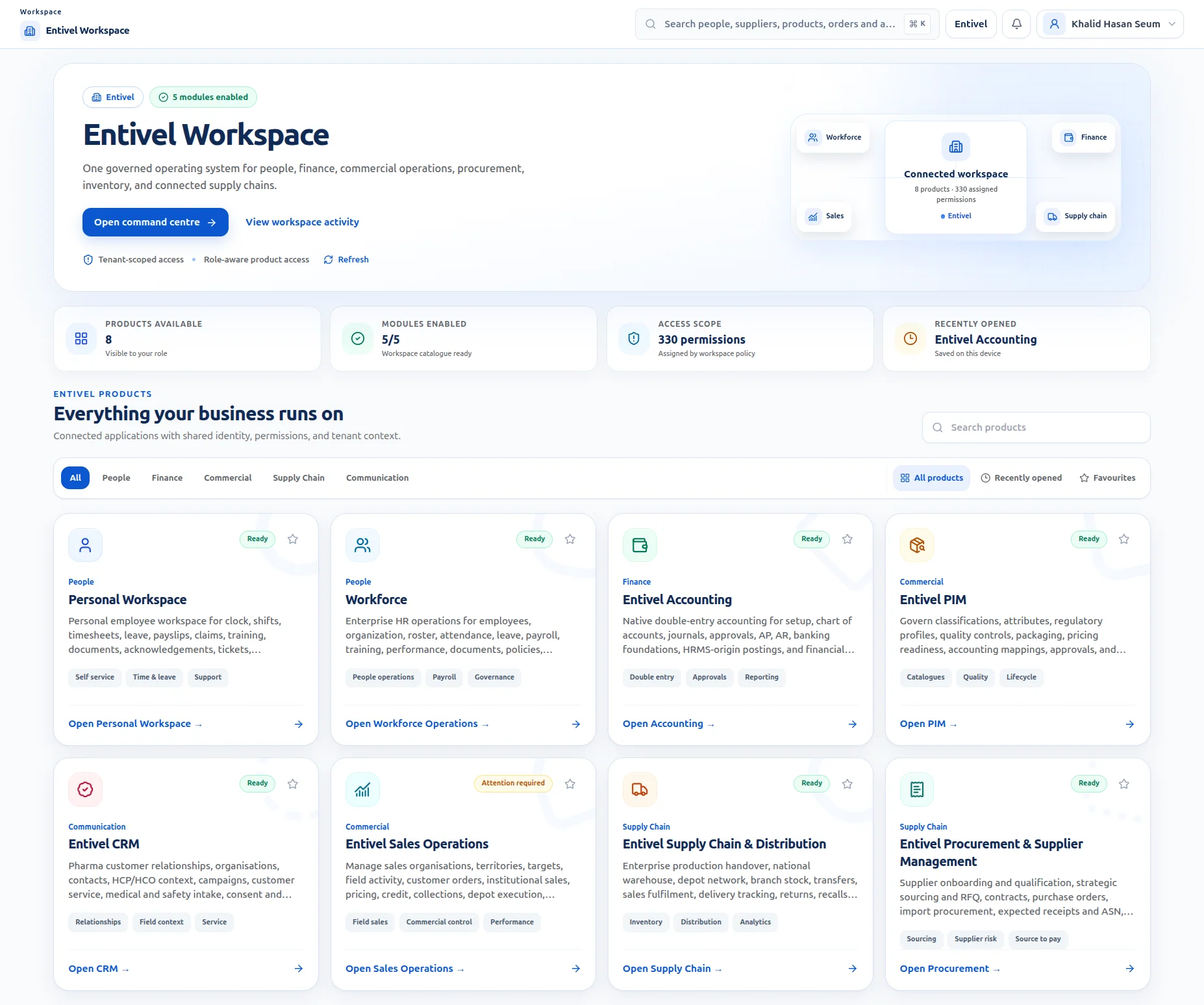
At Entivel, we specialize in bridging that gap. Our expertise spans enterprise-grade cybersecurity, building compliant cloud architectures, and engineering tailored AI workflow automation systems. We don't just implement software; we build secure digital foundations that allow your organization to adopt cutting-edge AI productivity tips while maintaining the highest levels of regulatory compliance.
If managing data risk or scaling your internal AI capabilities seems overwhelming, partnering with experts who understand both advanced technology and global governance is the best step toward achieving sustainable, compliant growth. Let us help you build a secure roadmap for AI automation for business.