
When high-profile incidents occur, such as the recent confirmation of a significant data breach at Vimeo, they rarely feel like isolated events. Instead, they function as stark indicators of systemic risk across the modern business landscape. As organizations increasingly rely on specialized Software as a Service (SaaS) platforms for everything from content delivery to customer relationship management, the attack surface expands exponentially. The focus must shift immediately: it is no longer sufficient to ask if your organization will be breached, but rather how quickly you can detect and contain an intrusion when one happens.
The Third-Party Risk Blind Spot
Modern business architecture is fundamentally interdependent. Few companies operate in a silo; instead, they weave together dozens of specialized tools,CRMs, analytics platforms, cloud storage, marketing automation systems,each managed by a different vendor. This deep integration provides efficiency but introduces profound security vulnerabilities. When data passes through multiple third-party hands, the weakest link often determines the entire chain's integrity.
The core challenge is visibility. While internal IT teams can enforce strict protocols on their own networks and endpoints, they often lack granular control or full insight into the vendor’s underlying security posture,their patch management cycle, their access controls, or how they handle data retention after a contract terminates. A breach at one vendor, therefore, becomes an indirect breach of every client that uses them.
Moving from Prevention to Resilience
Historically, cybersecurity strategies were heavily weighted toward prevention: firewalls, antivirus software, and perimeter defense. While these elements remain crucial, the current threat environment demands a pivot toward resilience,the ability to anticipate, detect, contain, and recover rapidly.
This paradigm shift requires organizations to implement comprehensive operational security protocols that treat every piece of third-party data with the same scrutiny as proprietary internal assets. Security must be baked into the vendor selection process itself, making due diligence an ongoing strategic function rather than a one-time procurement checklist.
An Actionable Checklist for Modern Data Governance
For businesses navigating this complex web of digital dependencies, preparation requires immediate tactical action. The following steps provide a framework to audit current practices and close critical compliance gaps:
- Enforce Multi-Factor Authentication (MFA) Universally: MFA should not be viewed as an optional add-on for high-risk users; it must be mandatory across every service that handles customer or proprietary data. Implementing hardware tokens where possible provides the highest level of defense against credential stuffing and phishing attacks.
- Audit Data Retention Policies Rigorously: The principle of least privilege applies not just to access, but also to storage time. Organizations must review retention policies for all SaaS platforms. Are you retaining customer Personally Identifiable Information (PII) or operational data longer than legally required or operationally necessary? Poorly managed data retention increases the volume and scope of a potential breach dramatically.
- Formalize Vendor Security Audits: Do not accept vendor compliance reports at face value. Require evidence of their security controls, including SOC 2 Type II reports, penetration testing summaries, and clear incident response plans (IRPs). Critically, understand *who* within the vendor organization has access to your data and under what conditions that access can be revoked immediately upon termination.
- Implement Data Segmentation: Never store all critical data in one place. Segmenting sensitive information across multiple logical or physical containers ensures that if one platform is compromised, the attacker gains only a fraction of the total dataset, limiting the scope of the damage and improving recovery time.
Leveraging AI for Predictive Threat Modeling
The sheer volume of threat data generated today makes manual monitoring impossible. This is where advanced automation, particularly powered by Artificial Intelligence (AI), becomes a fundamental strategic necessity. Modern cyber defense must move beyond reactive damage control,simply identifying that an alarm has sounded.
Instead, AI-driven security operations centers (SOCs) are capable of establishing baseline behavioral models for your employees and systems. They monitor activity patterns,login times, data transfer volumes, typical geographical access points,and flag deviations *before* they become critical incidents. For example, if a user who typically accesses records from New York suddenly attempts to download an entire database at 3:00 AM from Eastern Europe, AI automation flags this anomalous behavior instantly, allowing security teams to intervene proactively, potentially stopping the exfiltration before it even begins.
By integrating AI into vendor risk management, companies can automatically ingest and analyze a vendor's own public security disclosures, patch cycles, and dark web mentions. This capability transforms compliance from a reactive annual audit into a continuous stream of predictive risk scoring, giving CISOs an unprecedented level of operational foresight.
Conclusion: The Strategic Imperative
A data breach is not merely a technical failure; it is a strategic business failure that erodes trust and costs millions in regulatory fines and remediation efforts. While the latest incidents serve as powerful reminders of vulnerability, they should compel organizations to move beyond basic compliance checklists. True digital resilience requires an integrated strategy: enforcing stringent governance on third-party relationships, continuously auditing data lifecycles, and adopting AI automation tools that shift the security mindset from damage mitigation to predictive threat elimination. Proactive preparedness is no longer a recommendation; it is the fundamental pillar of global business continuity.
How Entivel can help
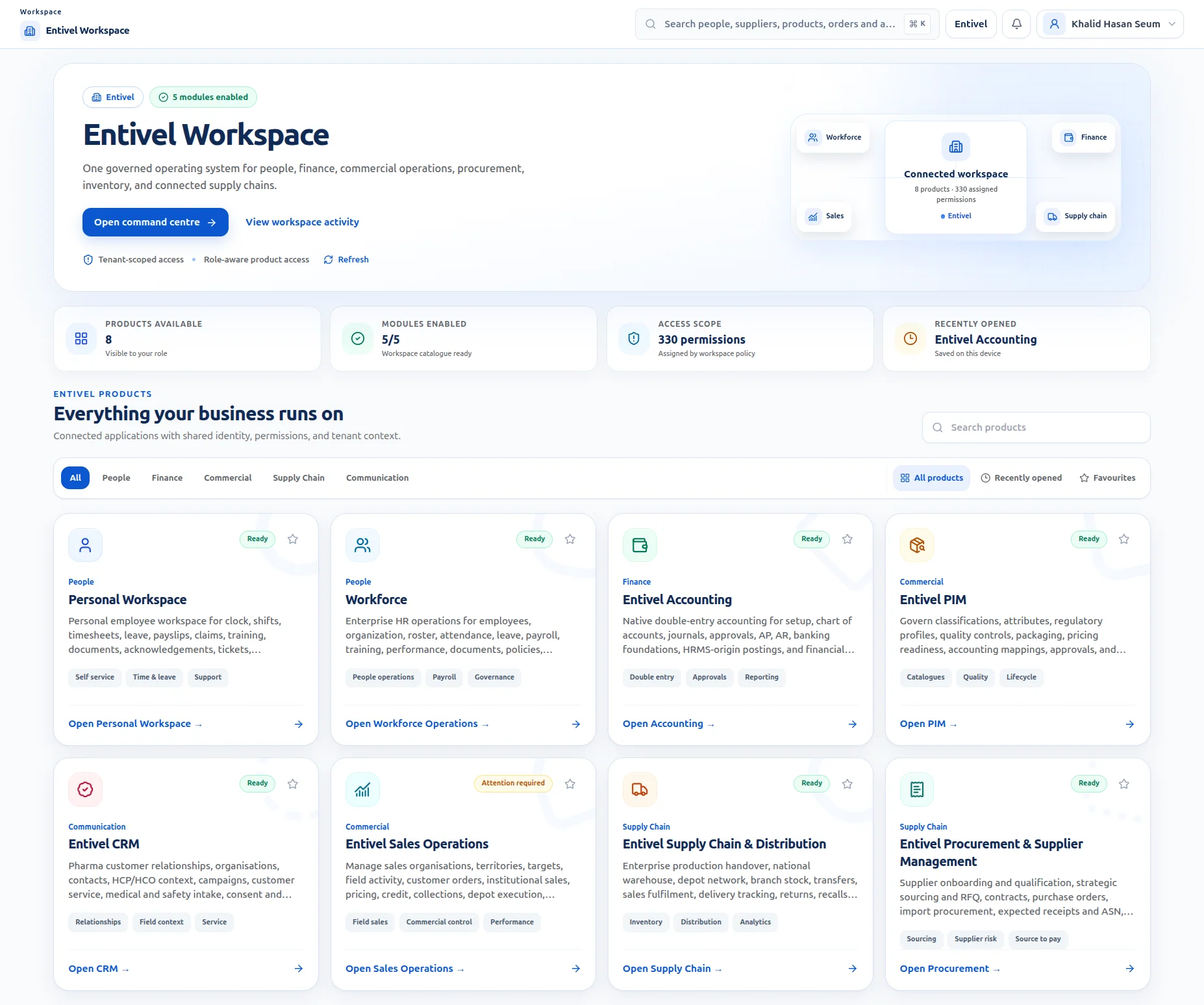
Entivel helps businesses review website security, access control, cloud exposure and software risk before small issues become expensive incidents. Learn more at https://entivel.com.