
The conversation around Australia’s Privacy Act is shifting from 'if' to 'when.' As regulatory frameworks tighten and the penalties for data mismanagement escalate, every Australian small-to-medium business (SMB) needs to adjust its foundational approach to privacy. For years, compliance was often viewed as a reactive, expensive checklist,a box to be ticked before an audit or after a breach. However, the recent amendments signal a profound change: poor data governance is no longer just a procedural oversight; it represents significant legal and financial liability that can fundamentally jeopardize your business’s reputation and bottom line.
The New Reality of Data Governance for SMBs
For many Australian SMB owners, the concept of 'compliance' still conjures images of filling out forms or hiring a consultant for a one-off audit. The reality today is far more complex and systemic. The core shift in data responsibility means that liability extends upstream,it follows your data, regardless of where it is stored or who handles it. Simply put, if you process consumer information, you are accountable for its security and ethical handling.
This new era demands a move away from basic adherence toward demonstrable, auditable diligence. It requires understanding not just *what* data you collect, but precisely *where* it goes, *who* has access to it, and *how long* you keep it. Failure in any of these areas can trigger serious penalties under the updated legislation.
Identifying Your Compliance Blind Spots: Three Critical Risk Zones
While the scope is broad, three specific areas represent the highest risk for unprepared SMBs today. Ignoring these blind spots significantly increases your exposure:
- Data Breach Response and Mitigation: A breach involving consumer data is now scrutinized not just for its occurrence, but for the robustness of your preventative measures. Did you have adequate encryption? Was access limited by role? Proactive security layers are non-negotiable.
- Consent Mechanisms: The rules around informed consent are becoming stricter. It is no longer sufficient to include a 'I agree' checkbox. You must prove that the consumer genuinely understood what they were consenting to, how their data would be used, and crucially, the right to withdraw that consent easily. Generic terms of service are insufficient protection.
- Cross-Border Data Governance: If your SMB uses international cloud services or partners with overseas vendors, you are extending your legal liability across borders. Understanding where the data resides,and ensuring the receiving jurisdiction meets Australian standards,is a massive governance challenge that cannot be managed through simple vendor agreements alone.
From Reactive Checklist to Proactive Advantage
The most critical mindset shift an SMB can make is viewing compliance not as a cost center, but as an operational advantage. When your data governance systems are robust, they become differentiators. They build trust,and in the Australian market, consumer trust remains one of the most valuable assets you possess.
A proactive approach means embedding privacy into your business processes from day one. Instead of waiting for a regulatory deadline to scramble and patch holes (the reactive checklist), you are systematically optimizing how data flows through your entire operation. This strategic alignment reduces operational friction, improves efficiency, and significantly mitigates the risk of costly breaches.
Implementing Systemic Privacy Controls with Technology
The complexity of modern data management,dealing with varied consent rules, international transfers, and continuous threat vectors,is simply too vast for manual processes or basic spreadsheet tracking. This is where sophisticated technology becomes an essential business tool, allowing SMBs to achieve systemic compliance.
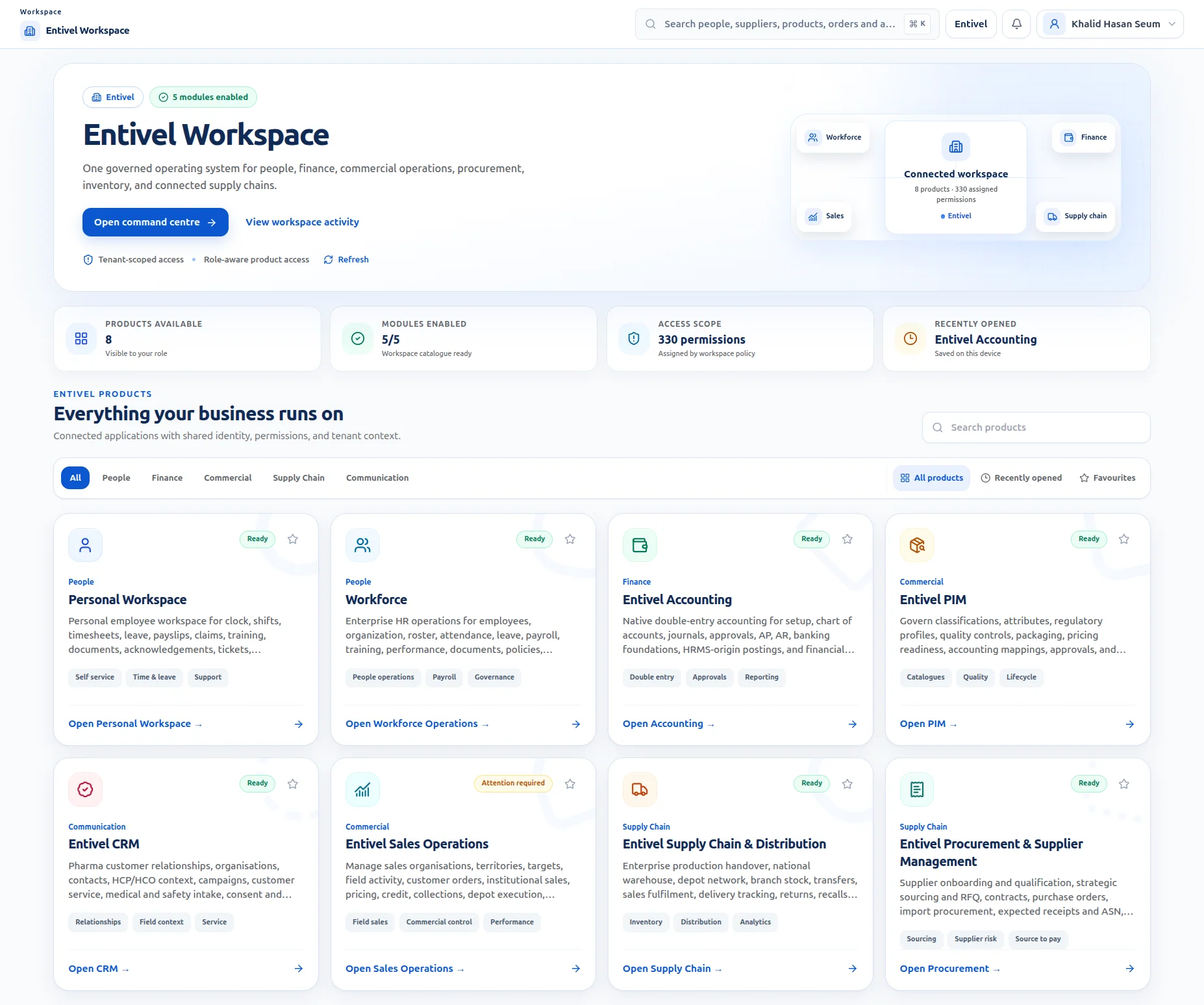
Entivel specializes in bridging this gap. Instead of asking you to hire a team of dedicated privacy officers, we automate the governance functions that were previously impossible to manage:
- AI-Driven Data Mapping: Manually tracking every piece of data,from initial intake forms to archived emails,is nearly impossible. AI automation allows your business to map data flows automatically. It identifies exactly where sensitive information resides, who accesses it, and when it needs to be deleted, providing an instant, accurate audit trail that satisfies regulatory demands.
- Automated Consent Management: Technology can manage granular consent preferences at scale. Instead of a single 'Accept All' button, the system ensures consumers are presented with clear, modular choices, logging precisely which permissions were granted and when they can be revoked.
- Robust Cybersecurity Integration: Compliance is inseparable from security. Our integrated cybersecurity software doesn't just act as a firewall; it enforces policy across your entire stack. It automatically detects anomalies, restricts unauthorized access based on defined roles, and ensures that data handling adheres to the highest Australian standards in real time.
By integrating these technologies, an SMB transforms from being merely 'compliant' (meaning they passed an audit) to being 'governed' (meaning their processes are inherently secure, efficient, and legally sound). This continuous state of governance is what truly mitigates risk.
Next Steps: Securing Your Data Future
The amendments to the Privacy Act are not a threat; they are an invitation to modernize. They challenge Australian SMBs to view data governance as a competitive asset, transforming a potential liability into operational strength. Delaying action means accepting higher risk and increased complexity.
If your current compliance strategy relies on annual reviews, manual documentation, or basic endpoint security alone, it is insufficient for the modern regulatory landscape. It is time to implement systemic controls that use automation and AI to provide continuous monitoring and governance. This proactive shift ensures that as your business grows,and inevitably handles more data,your legal foundation remains unbreakable.
Focus on automating visibility into your data lifecycle. By embedding advanced cybersecurity, AI-driven mapping, and automated policy enforcement into your core technology stack today, you are not just preparing for the next audit; you are building a resilient, trust-based enterprise ready to thrive in Australia’s evolving digital economy.
How Entivel can help
Entivel designs secure business software, ERP modules and modern web applications for operational growth. Learn more at https://entivel.com.