
The global regulatory environment surrounding personal data is undergoing a fundamental shift. Historically, non-compliance often resulted in advisory warnings or manageable fines. Today, however, major jurisdictions are signaling a transition from mere cautionary notices to tangible financial penalties for privacy failures. This evolution dramatically increases the operational risk profile of any organization handling consumer or proprietary data. For international businesses, compliance can no longer be treated as an annual legal checkpoint; it must become a continuous, technology-driven function integrated into every aspect of the data lifecycle.
The Escalating Stakes: Why Penalties Signal Operational Risk
The move toward civil penalties represents more than just tighter regulation; it signals that governments view inadequate data handling as an immediate threat to economic stability and consumer trust. From a business technology perspective, this means the cost of non-compliance is no longer measured solely in legal fees but in multi-million dollar fines, mandatory remediation costs, and catastrophic reputational damage.
Traditional compliance models often rely on manual audits, policy documents, and reactive measures following an incident. This approach is inherently insufficient for modern data volumes and complex cross-border transfers. The regulatory threat mandates a shift in mindset: viewing compliance not as a cost center to be minimized, but as a critical technological investment necessary for business continuity.
Technological Pillars of Proactive Compliance
To effectively manage this heightened risk, organizations must embed advanced technology directly into their data governance framework. The solution lies in moving beyond point-in-time audits and adopting continuous monitoring systems powered by Artificial Intelligence (AI). This requires a technological pivot across three key areas: automated controls, real-time monitoring, and predictive risk analysis.
Implementing AI for Continuous Data Monitoring
Manual data mapping and monitoring are simply too slow to keep pace with dynamic business operations. AI automation changes the compliance equation by providing continuous visibility into how data is accessed, processed, and stored. Advanced AI tools can monitor data flows in real time, identifying anomalies that suggest a policy breach,such as unauthorized access attempts or data transfer outside of defined geographical boundaries,before they escalate into a reportable incident.
These systems do more than just flag breaches; they automate the response. They can instantly quarantine sensitive data upon detecting suspicious activity, revoke temporary permissions, and log an immutable audit trail, drastically reducing the window of exposure and mitigating potential penalties before human intervention is even required.
Building Robust Cybersecurity Frameworks
The foundation of proactive compliance must be a robust cybersecurity architecture. This involves adopting Zero Trust principles, meaning no user, device, or application should be trusted by default, regardless of whether it is inside or outside the corporate network perimeter. A modern framework must encompass:
- **Identity and Access Management (IAM):** Granular control ensuring users only access the minimum data required for their specific job function (Principle of Least Privilege).
- **Data Encryption:** Implementing end-to-end encryption, both at rest and in transit, making compromised data unusable even if intercepted.
- **Vulnerability Management:** Automated scanning and patch management that continuously strengthens the technological perimeter against emerging threats.
From Gap Identification to Mitigation: The Action Plan
The most critical step for any international business is recognizing where their current data handling practices fail to meet evolving standards. This requires an immediate, comprehensive gap analysis of the entire data lifecycle.
A true gap analysis does not merely check boxes; it maps every piece of personal and proprietary data within the organization,from initial collection points (e.g., website forms) through processing systems (CRM, ERP) to final archival or destruction. High-risk areas often include:
- **Legacy Systems:** Older software that cannot be patched or monitored by modern AI tools.
- **Shadow IT:** Departmental applications used without the central IT department's knowledge, creating unmonitored data silos.
- **Third-Party Vendors:** Outsourced services that handle sensitive customer data but whose security practices are opaque.
Identifying these gaps allows businesses to prioritize remediation efforts. Instead of waiting for a regulatory audit or a breach notification, the organization can strategically invest in automated controls,such as implementing dynamic masking of personally identifiable information (PII) at the point of entry, or automating data retention policies that ensure data is deleted securely when its legal purpose expires.
Conclusion: Compliance as a Competitive Advantage
The transition from warnings to financial penalties marks a watershed moment for global businesses. Compliance can no longer be seen solely through a lens of risk avoidance; it must be viewed as a competitive differentiator and an operational guarantee. By strategically integrating AI-driven monitoring, automated privacy controls, and comprehensive gap analyses into the core technology stack, organizations transform compliance from a reactive burden into a proactive engine for trust, efficiency, and sustained growth.
How Entivel can help
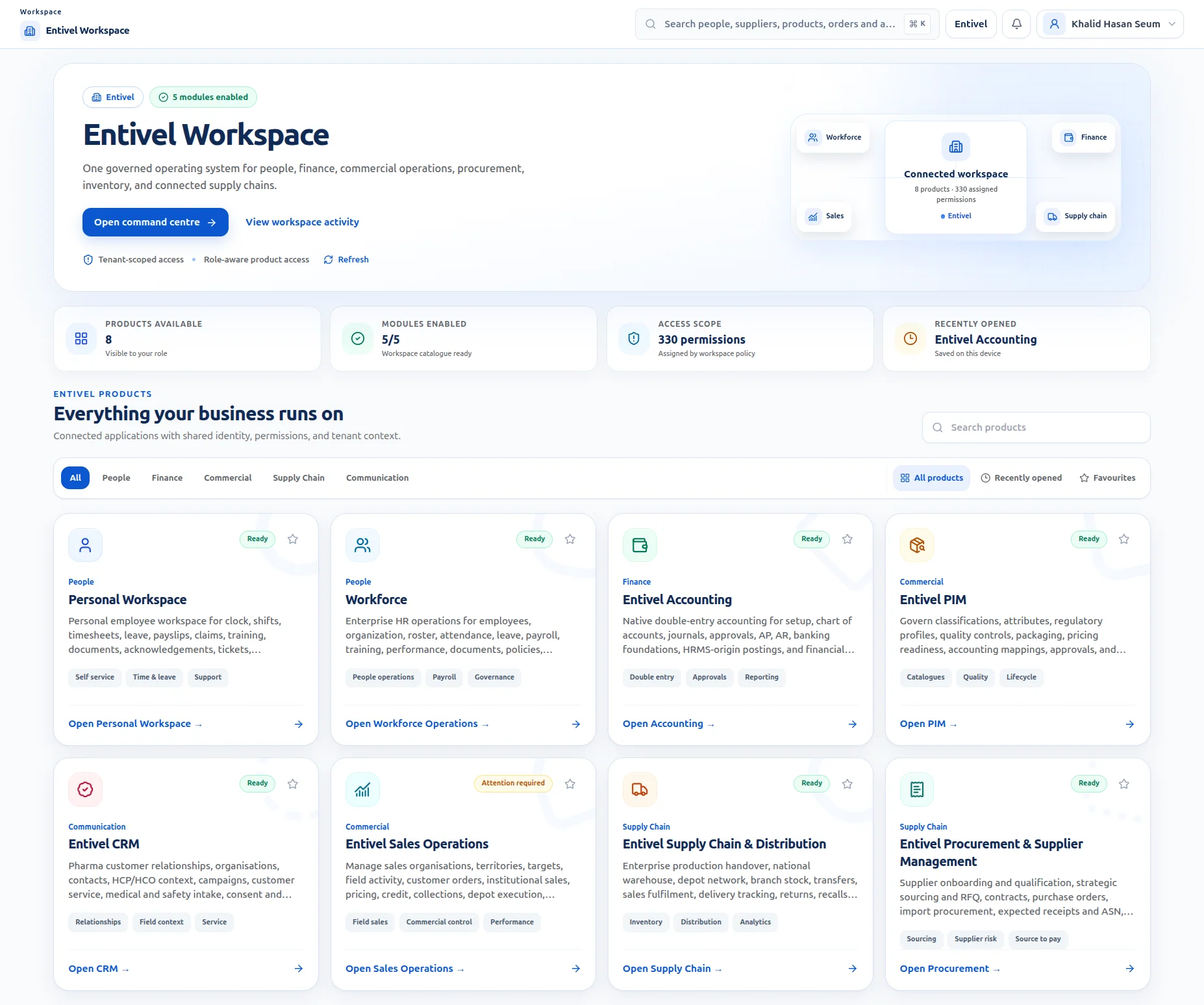
Entivel helps businesses review website security, access control, cloud exposure and software risk before small issues become expensive incidents. Learn more at https://entivel.com.