
The speed, complexity, and sheer volume of cyber threats have fundamentally changed the mandate of enterprise security. Gone are the days when building a robust perimeter,a single firewall or endpoint protection solution,was sufficient defense. Today, successful cybersecurity requires a deep operational shift: moving from simply reacting to attacks that occur to proactively managing risk before it materializes. For global businesses navigating complex digital ecosystems, future-proofing your security team means adopting an intelligence-driven, adaptive framework.
The Imperative Shift: From Perimeter Defense to Zero Trust Architecture
The foundational principle of modern cybersecurity is no longer 'trust but verify,' but rather 'never trust, always verify.' This concept defines the Zero Trust security model. Instead of assuming that everything inside a corporate network is safe simply because it passed the initial gateway, Zero Trust dictates that every access request,whether coming from an internal employee, a partner vendor, or a remote device,must be authenticated and authorized before granting minimal necessary permissions. Implementing this architecture requires a comprehensive overhaul of identity management, network segmentation, and data governance.
Adopting Zero Trust is not merely installing new software; it is a strategic business decision that redefines internal operational boundaries. It forces organizations to map out every critical asset, understand who needs access to what, and ensure those permissions are strictly limited in scope. For large, geographically dispersed enterprises, this granular approach significantly reduces the attack surface area exposed by lateral movement,the primary vector used by advanced persistent threats (APTs) once initial entry is achieved.
Leveraging AI Automation to Overcome Operational Bottlenecks
A rapidly growing challenge for security teams globally is the sheer scale of data and alerts they must process. Traditional Security Operations Centers (SOCs) are often overwhelmed by alert fatigue, leading to critical warnings being missed amid a deluge of low-priority notifications. This creates a massive skills gap, leaving organizations vulnerable despite having highly paid experts on staff.
This is where integrating Artificial Intelligence and advanced automation becomes non-negotiable. Modern AI platforms are designed not just to flag suspicious activity but to perform Security Orchestration, Automation, and Response (SOAR). These systems ingest data from disparate sources,endpoint detection, network traffic analysis, identity providers,and use machine learning models to identify subtle patterns indicative of an attack that a human analyst might overlook.
Automation allows the security team to move away from manual triage. Instead, routine tasks like initial threat containment, patching vulnerabilities based on risk scores, and correlating seemingly unrelated events are handled instantly by AI agents. This capability does not replace the human expert; rather, it elevates them. It frees up skilled analysts to focus their cognitive energy on high-level threat hunting, strategic planning, and incident response management,the truly complex tasks that require human ingenuity.
Cultivating a Culture of Continuous Risk Awareness
Even the most sophisticated technological stack remains vulnerable if the weakest link is human error. Consequently, building a forward-thinking cybersecurity team must prioritize 'human-centric' security training and foster an ingrained culture of continuous risk awareness across the entire organization.
Training cannot be relegated to an annual compliance seminar. It must be woven into the operational rhythm of the business. This means implementing advanced, realistic simulation exercises,such as sophisticated phishing campaigns or mock data breach scenarios,that test not only employee knowledge but also departmental response protocols. The goal is to shift security awareness from a compliance checkbox exercise to a core behavioral expectation.
Leadership buy-in here is crucial. Security must be framed by the C-suite not as an IT cost center, but as an enabler of business resilience and a strategic imperative that protects shareholder value. When executives understand that security lapses directly impact market reputation and financial stability, the urgency to fund comprehensive training and systemic improvements becomes absolute.
Architecting for Resilience: Vendor Diversity and Scalability
Finally, achieving true operational maturity requires adopting an architectural philosophy built on modularity and diversity. Relying heavily on a single vendor or a monolithic technology stack creates dangerous points of failure,a 'single pane of glass' approach that is attractive but ultimately fragile.
Forward-thinking enterprises are embracing the concept of technological agility. This means adopting scalable, best-of-breed solutions from various vendors that can communicate seamlessly via open APIs. Instead of purchasing one massive security suite with limited customization, organizations should build a technology ecosystem where Identity Access Management (IAM), Cloud Security Posture Management (CSPM), and Threat Intelligence Platforms operate independently but share data in real time.
This modular approach offers two critical advantages: first, it ensures that the organization is not locked into outdated vendor roadmaps; if one component needs upgrading or replacement, it can be done without disrupting the entire security apparatus. Second, it allows teams to rapidly adapt their defenses in response to emerging threat vectors,a true hallmark of proactive resilience.
In summary, building a world-class cybersecurity team for tomorrow is less about hiring more people and more about implementing smarter systems and deeper culture shifts. It requires integrating Zero Trust principles into every layer of access control, automating the repetitive tasks through AI to free up human talent, embedding continuous risk education across all levels of the business, and architecting an agile technology stack that can adapt faster than the threat actors themselves.
How Entivel can help
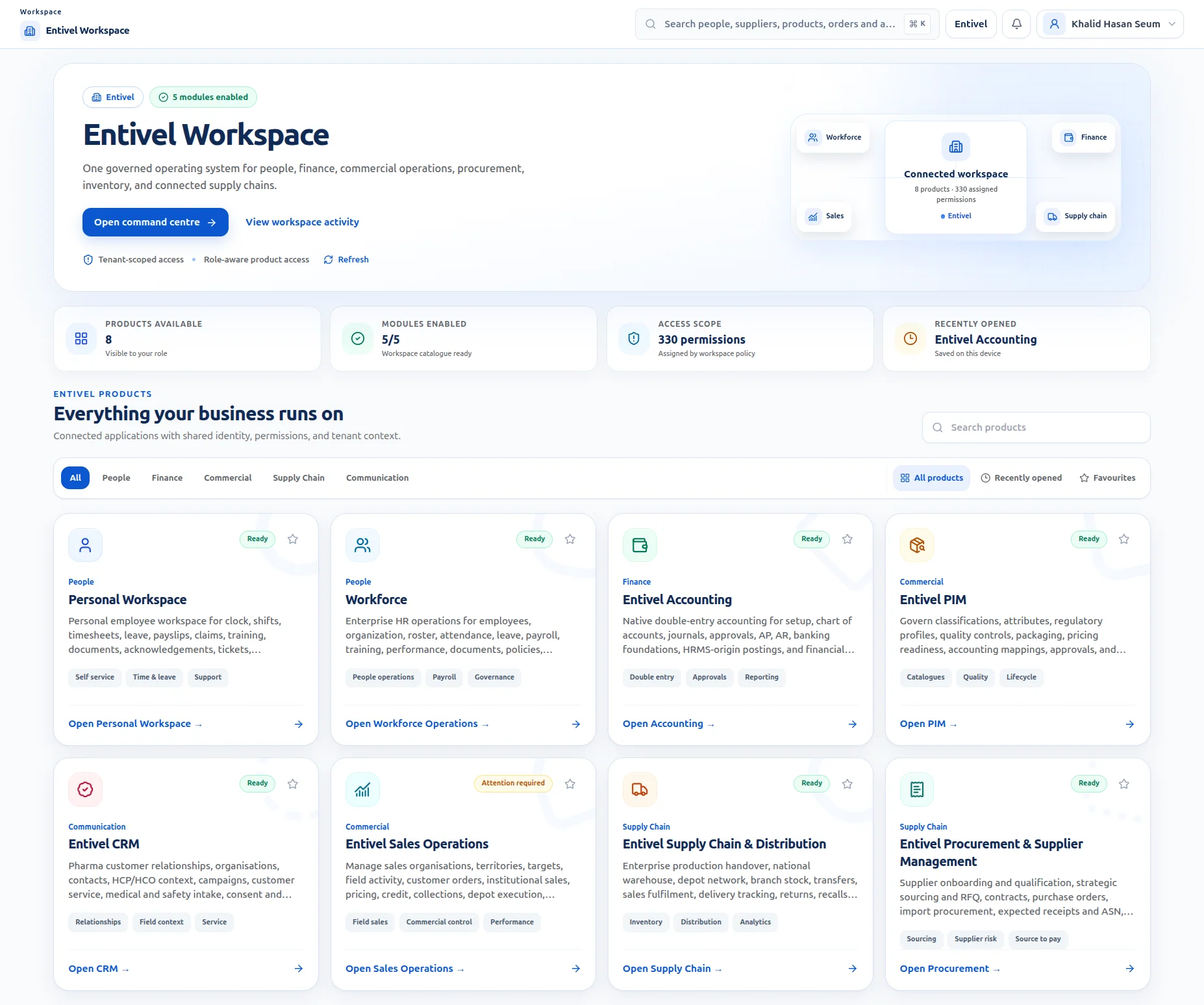
Entivel helps businesses review website security, access control, cloud exposure and software risk before small issues become expensive incidents. Learn more at https://entivel.com.