
The integration of generative Artificial Intelligence (AI) tools has fundamentally reshaped the operational landscape for businesses globally. For small to medium enterprises (SMBs), these technologies promise unprecedented leaps in efficiency, automating everything from content creation to complex data analysis. However, this rapid adoption often outpaces organizational governance and technical vetting. Relying on readily available, 'free' AI tools can provide a deceptive sense of progress while introducing significant, often invisible, operational risks concerning cybersecurity, intellectual property (IP), and data sovereignty.
The Hidden Costs of Unvetted Generative AI Tools
When an SMB adopts an AI tool without fully understanding its underlying architecture or data handling policies, the perceived savings are dwarfed by potential liabilities. The primary danger is not merely losing a password; it involves systemic compromise and legal exposure. Three areas require immediate executive attention:
Data Leakage and Confidentiality Compromise
Many free-tier AI models operate by ingesting user inputs (prompts) into large, shared data pools for training purposes. When proprietary business strategies, client lists, or unique operational data are entered into such a system, that information is effectively de-anonymized and potentially absorbed into the model's knowledge base. This constitutes severe data leakage. Even if an organization believes the input was transient, the risk remains: sensitive competitive intelligence has been inadvertently shared with a third-party vendor whose security protocols may not meet industry compliance standards.
Vulnerability to Prompt Injection and Misuse
From a pure cybersecurity standpoint, generative AI introduces novel attack vectors. A common threat is prompt injection, where malicious actors manipulate the AI system's instructions to bypass its safety filters or extract confidential data it was designed to protect. For SMBs, this means that an easily accessible tool could be hijacked to generate fraudulent reports, leak internal communications, or execute unintended actions within a connected business process flow. These risks mandate treating all third-party AI interactions as potential entry points for attack.
Intellectual Property and Copyright Ambiguity
Perhaps the most overlooked risk is legal liability surrounding IP ownership. The output generated by an AI system,be it text, code, or images,exists in a complex legal gray area. Current international copyright law struggles to define authorship when machine learning models are involved. If an SMB uses free AI tools to generate marketing content or proprietary software components, and that output unintentionally mimics existing copyrighted material, the business bears the full liability for infringement. Furthermore, if the foundational data used to train the model contained licensed material, the generated output could carry latent IP risks that are impossible for a typical small business team to audit.
Moving from Reactive Use to Proactive Governance
The core shift in AI adoption must be away from viewing these tools as mere productivity boosters and toward treating them as mission-critical, highly sensitive operational infrastructure. Responsible AI implementation requires robust governance that addresses data sovereignty, compliance, and architectural security before any integration occurs.
The Need for Enterprise-Grade Vetting
Relying on the default settings of a consumer-grade tool is fundamentally insufficient for managing enterprise risk. Organizations must adopt platforms that offer verifiable controls: ensuring that input data is processed within secure, isolated environments and never used for external model retraining. This requires specialized oversight focused on compliance frameworks like GDPR or regional data sovereignty laws.
Implementing Secure Automation Architecture
A professional approach to AI adoption involves integrating vetted automation platforms directly into the existing corporate IT architecture. This allows businesses to control the entire workflow,from data ingestion, through processing by the AI engine, and finally to output verification. Such a controlled environment minimizes external attack surfaces and maintains clear audit trails for every action taken.
Entivel: Your Partner in Secure AI Integration
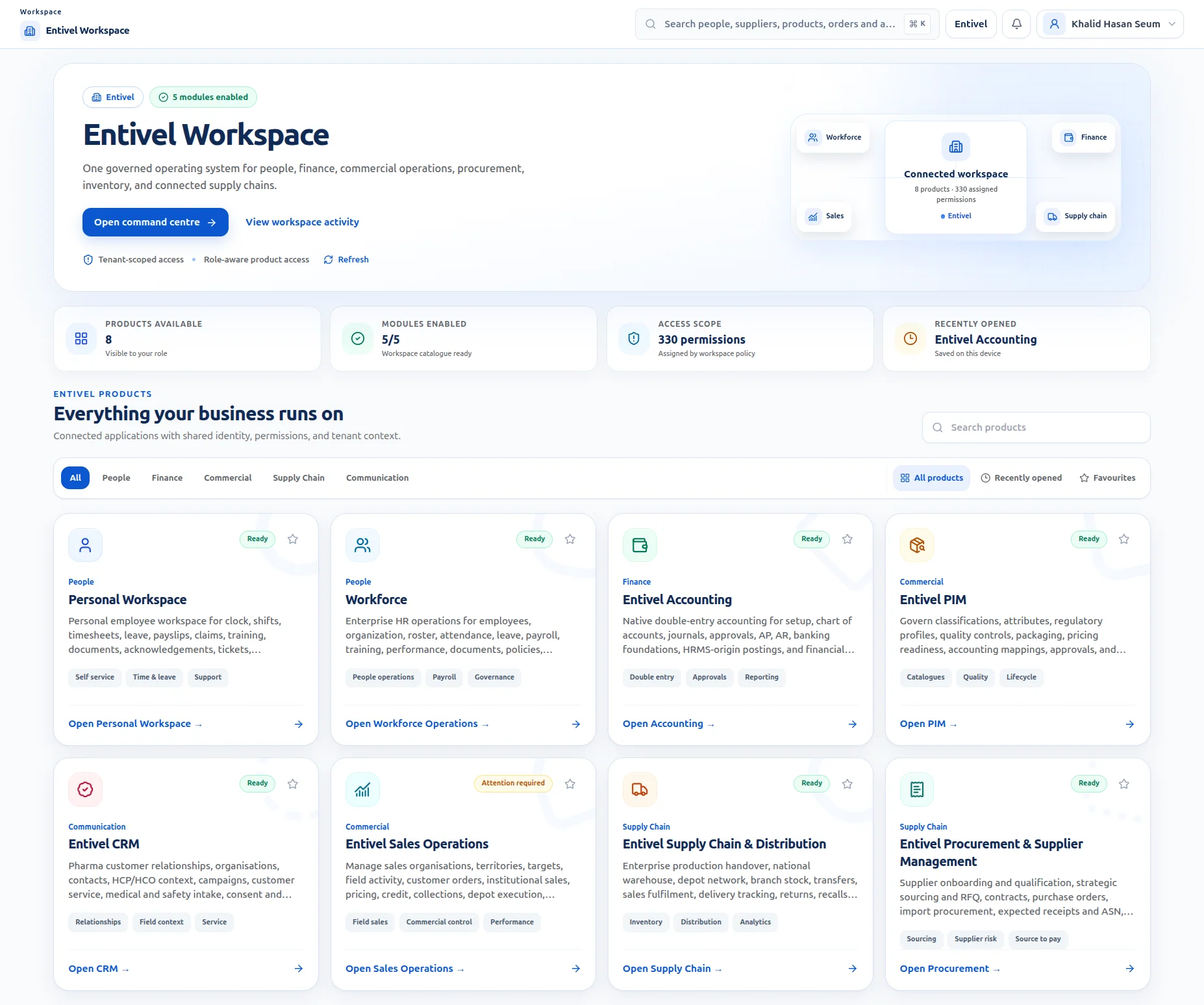
For international SMBs committed to leveraging AI's power without accepting commensurate risk, professional guidance is non-negotiable. Entivel specializes in providing comprehensive, vetted technology solutions that bridge the gap between rapid innovation and stringent security requirements. Our approach focuses on establishing a secure operational foundation for AI adoption.
We do not simply recommend tools; we implement resilient systems. By focusing on enterprise-grade automation platforms, we ensure that:
- Data Sovereignty is Guaranteed: We architect solutions that keep sensitive client and proprietary data within controlled, compliant environments, mitigating leakage risks inherent in public AI models.
- Cybersecurity is Embedded: Our integration processes include rigorous security checks to defend against emerging threats like prompt injection, treating every API call as a potential attack vector.
- Compliance is Central: We build automation workflows that are designed around international regulatory compliance standards, protecting the business from unforeseen legal and IP liabilities associated with AI output.
Adopting artificial intelligence should be a strategic growth accelerant, not a source of operational vulnerability. By partnering with an expert technology firm like Entivel, SMBs can confidently navigate the complexities of modern digital tools, transforming potential risks into sustainable competitive advantages while maintaining absolute control over their most valuable assets: their data and intellectual property.
How Entivel can help
Entivel helps businesses review website security, access control, cloud exposure and software risk before small issues become expensive incidents. Learn more at https://entivel.com.