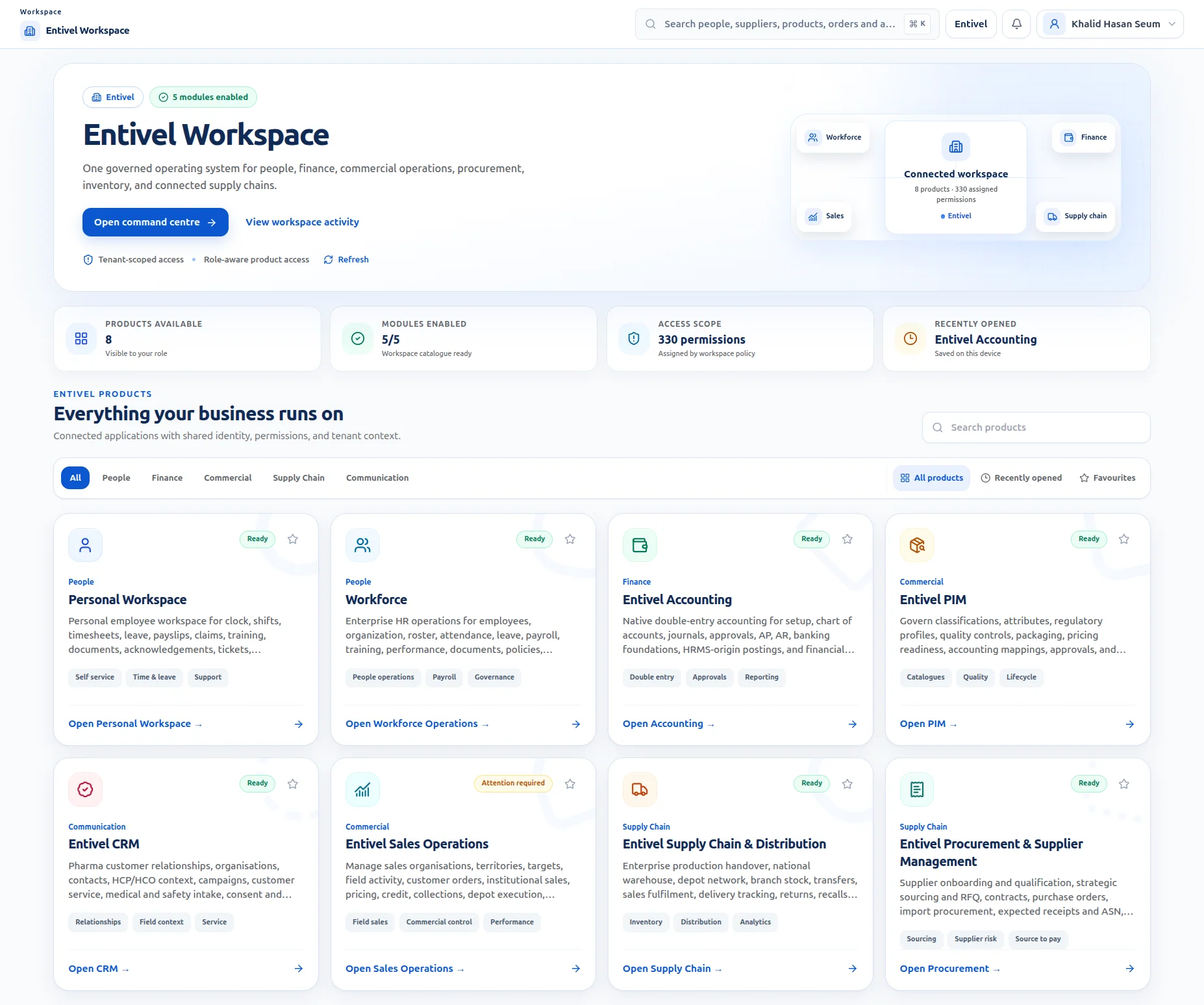

The excitement around artificial intelligence is undeniable. For Australian small and medium businesses (SMBs), AI automation promises unprecedented gains in efficiency, cost reduction, and competitive edge. From automating customer service responses to optimizing supply chains, the potential for adopting AI tools is reshaping how commerce operates down under. However, rapid adoption often outpaces security governance, creating a critical blind spot that cybersecurity experts are now flagging: the emergence of 'Shadow AI Agents.' Business leaders who view automation solely as an IT project must now recognize it as a fundamental operational risk that requires dedicated oversight.
What Exactly Are Shadow AI Agents?
In simple terms, a Shadow AI Agent is any uncontrolled or unmonitored artificial intelligence process running within your corporate network. Unlike official, vetted automation workflows managed by the IT department, these agents are often deployed spontaneously by individual teams,marketing might use an external LLM to draft reports, HR may connect a new third-party tool for background checks, and finance might implement a novel data scraper.
These tools operate outside the established security perimeter. They don't require formal vetting, they aren’t subject to central access control policies, and crucially, nobody has fully mapped out their operational boundaries or what data they are allowed to touch. When dozens of employees independently deploy these powerful, often cloud-based AI services without corporate knowledge, the collective result is a sprawling network of blind spots that significantly elevate risk.
The Localized Risk: Why Australian SMBs Are Vulnerable
While the threat is global in nature, its impact on Australian businesses carries specific local weight. Our SMB sector relies heavily on rapid technological adoption to remain competitive, making us highly susceptible to this risk profile. The danger inherent in these uncontrolled agents falls into three critical areas:
- Data Leakage and Confidentiality Breaches: This is the most immediate concern. An agent designed for a seemingly harmless task,like summarizing client emails,might inadvertently transmit sensitive Australian customer data, proprietary intellectual property, or payroll information to an unvetted third-party cloud provider. If that provider suffers a breach, your data is compromised, and you bear the reputational and financial cost.
- Compliance Failure: Operating in Australia means adhering to strict privacy frameworks and industry regulations. When an unknown AI agent processes Personally Identifiable Information (PII), it can easily violate both local privacy laws and international standards like GDPR if dealing with global clients. The lack of audit trails makes proving compliance nearly impossible after a breach occurs.
- Unauthorized Access and System Hijacking: These agents often require elevated permissions to function,they need access to databases, file shares, and operational systems. If an agent is compromised (for example, through a prompt injection attack or credential theft), the malicious actor gains entry not just to one endpoint, but potentially to several interconnected systems simultaneously, leading to massive internal disruption and ransomware risk.
The core vulnerability for Australian SMBs is that they are often prioritizing speed and innovation over establishing robust security governance frameworks around emerging technologies.
A Three-Pillar Strategy: Governance, Monitoring, Control
Addressing Shadow AI Agents requires moving beyond simple endpoint protection. It demands a strategic shift toward centralized visibility and proactive policy enforcement across the entire technological ecosystem. Entivel recommends implementing controls across three distinct pillars:
1. Establishing AI Governance Policies:
Before any new automation tool is adopted, it must pass through a formal review process. This governance layer answers critical questions: What data will this agent access? Where will that data reside (onshore or offshore)? Who owns the credentials and the operational output? Businesses must mandate a 'Security-by-Design' approach to AI adoption, treating every new automation tool,no matter how small,as if it were connecting to the company’s most sensitive database.
2. Implementing Centralized Monitoring and Auditing:
You cannot secure what you cannot see. Organizations need centralized monitoring platforms that provide a single pane of glass view of all data flows, both internal and external. This means logging not just who logged in, but *what* the automated processes did while they were running. Advanced security visibility tools must be deployed to detect anomalous behavior,for instance, an agent suddenly trying to download large batches of client records at 3 AM when it normally operates during business hours.
3. Enforcing Centralized Security Controls:
The final pillar involves technical enforcement. This means implementing Identity and Access Management (IAM) solutions that strictly control permissions, ensuring the principle of least privilege applies even to AI agents. Credentials used by automation must be temporary, highly restricted, and automatically revoked if suspicious activity is detected. By centralizing these controls, businesses can effectively quarantine rogue or poorly designed AI processes before they cause significant damage.
The challenge posed by Shadow AI Agents is not the technology itself; it is the lack of systemic guardrails around its deployment. For Australian SMBs looking to leverage the power of automation without incurring catastrophic cybersecurity debt, treating governance as an operational necessity,not just a compliance checkbox,is the most critical strategic decision you can make today.
How Entivel can help
Entivel helps businesses review website security, access control, cloud exposure and software risk before small issues become expensive incidents. Learn more at https://entivel.com.