
The speed and complexity of global commerce are fundamentally reshaping the security landscape. Payments, once seen as a purely financial transaction process, have become deeply intertwined with vast pools of personal data and sophisticated artificial intelligence engines. By 2026, merely protecting the payment rails is insufficient; organizations must architect trust itself. The industry consensus is shifting dramatically: survival depends on moving away from reactive, perimeter-based cybersecurity models toward proactive, integrated 'Trust Architecture' frameworks that embed privacy and compliance directly into every automated workflow.
The Convergence Challenge: Identity as the New Perimeter
In previous decades, the primary security focus was the network boundary,the firewall protecting the corporate edge. However, when payments are powered by machine learning models that analyze behavioral data, cross-border transactions flow across unsecured APIs, and client identities become the most valuable asset, the concept of a fixed perimeter dissolves. The core vulnerability is no longer the external attacker; it is often the complexity of the internal data exchange itself.
This convergence,Payments meeting massive Data sets, powered by AI intelligence,necessitates a fundamental architectural pivot. Security solutions must evolve from simply blocking threats to verifying trust at every single point of interaction. This means adopting identity and data-centric security models (IDCS). Instead of asking, “Is the network safe?” the critical question becomes, “Can we prove that this specific piece of data, flowing between these two parties, is authorized, anonymized, and compliant with its intended use case?”
Mandating Privacy by Design for AI Automation
The global regulatory environment is maturing at a pace that demands proactive compliance rather than reactive audits. For enterprises implementing AI automation across international payment rails, the concept of 'Privacy by Design' (PbD) is transitioning from a best practice to a mandatory operational requirement. It cannot be bolted on after the system is built; it must define the foundational blueprint.
When an enterprise uses generative AI or machine learning models to assess fraud risk or optimize payment routing, that process involves ingesting and processing vast amounts of personal data,some originating in GDPR jurisdictions, some under CCPA rules, and others governed by specific national financial regulations. If PbD is not baked into the design phase, organizations face significant legal exposure. This means developers must architect systems that automatically minimize data collection to only what is strictly necessary, implement differential privacy techniques to mask personal identifiers, and ensure transparent data lifecycle management from initial ingestion through final disposal.
Governing the Algorithm: Ethics Beyond Encryption
Perhaps the most profound shift in enterprise risk management involves acknowledging that cybersecurity threats are no longer limited to malware or ransomware. They now include algorithmic risks,the inherent ethical and systemic dangers embedded within AI models themselves. As organizations rely on AI to make high-stakes decisions, such as approving loans, flagging transactions as fraudulent, or determining creditworthiness, they inherit the responsibility for the model’s integrity.
Enterprises must therefore prioritize sophisticated governance frameworks that manage these ethical risks alongside traditional cyber threats. Chief among these concerns are bias and explainability:
- Algorithmic Bias: If an AI model is trained on historical data that reflects systemic biases (e.g., disproportionately flagging transactions from specific demographics), the model will automate and amplify that discrimination. A robust governance framework must include mandatory auditing of training data sets for fairness and representational parity before deployment.
- Explainability (XAI): When a payment is declined or flagged, the end-user,and often the regulator,needs to know *why*. 'Black box' AI models that cannot provide clear reasoning are unacceptable in regulated financial environments. Future architectures must incorporate explainable AI components, allowing human oversight and clear audit trails for every critical decision made by automation.
Building the Integrated Trust Architecture
The solution to these converging challenges is not a single product, but an integrated architectural philosophy: the Trust Architecture. This model views security, privacy, compliance, and ethical governance as interlocking layers that must function cohesively across every layer of the payment ecosystem.
In practice, implementing this requires several operational changes:
- Shift from Data Storage to Data Flow Governance: The focus moves from securing data at rest (in a database) to monitoring and governing how that data flows through various AI processes. This demands granular visibility into the entire transaction journey.
- Implementing Zero Trust Principles Across Boundaries: Every user, every device, and most critically, every automated service connecting two systems must be continuously authenticated and authorized, regardless of whether it is inside or outside the traditional corporate network.
- Adopting Continuous Compliance Monitoring: Instead of annual compliance checks, organizations need real-time monitoring that verifies adherence to evolving international privacy laws (like those governing cross-border data transfer) as transactions occur. The system must self-correct and alert when a policy violation is imminent.
For global businesses operating in the payments space, 2026 marks a definitive inflection point. Cybersecurity leadership can no longer afford to treat compliance as an external checklist or privacy as an afterthought. The most resilient organizations will be those that embrace the Trust Architecture,a holistic framework where robust identity management, ethical AI governance, and continuous compliance are woven into the very fabric of their automated payment workflows.
How Entivel can help
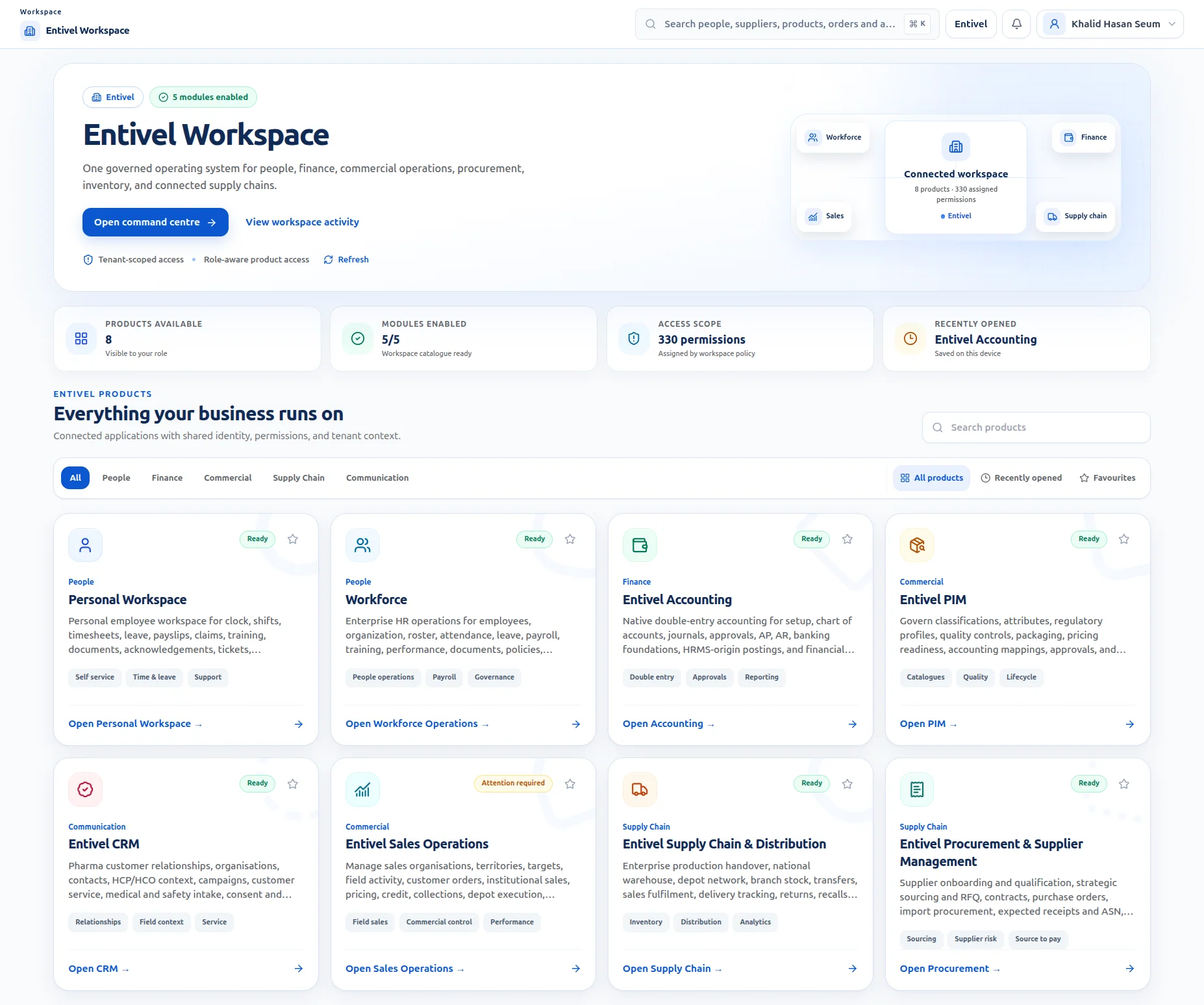
Entivel helps businesses review website security, access control, cloud exposure and software risk before small issues become expensive incidents. Learn more at https://entivel.com.