
The global conversation around artificial intelligence in cybersecurity is characterized by a breathless pace and an escalating volume of alarming reports. From claims made by various foreign cyber firms detailing advanced, state-sponsored AI hacking capabilities to the emergence of theoretical vulnerabilities tied to large language models (LLMs), the noise can be overwhelming. This rapid cycle of 'cyber alerts' often creates a sense of immediate, existential panic within the enterprise tech community.
Navigating the Geopolitical Noise and Hype Cycle
The current environment presents a unique challenge: how does an organization differentiate between genuine, emerging operational risks and sensationalized narratives fueled by geopolitical competition or commercial opportunity? Historically, cybersecurity warnings have peaked during periods of high tension. When foreign cyber firms issue highly detailed, alarming reports,especially those attributing complex AI exploits to specific nation-states,they are often contributing to a generalized 'threat narrative.' While these reports may contain kernel truths regarding advancing capabilities, the packaging and timing frequently amplify fear rather than provide clear defensive pathways.
This phenomenon mirrors classic technology hype cycles. Early announcements about radical new capabilities (like perfect AI hacking) generate massive buzz, driving investment in panic-proofing measures. However, when the initial shock subsides, organizations are left grappling with a sense of resource exhaustion,having allocated budget and attention to solving theoretical 'worst-case' scenarios that may be years away or require technologies not yet proven in the wild.
The Hidden Danger: Organizational Reaction, Not Just The Threat
When assessing cybersecurity risk, the most critical vulnerability is often not a sophisticated foreign actor wielding an unproven AI exploit; it is the internal organizational response to unverified information. Fear-driven panic leads directly to resource misallocation. Teams become fixated on chasing theoretical threats,such as specific LLM model vulnerabilities or geopolitical cyber claims,at the expense of fortifying fundamental, everyday weaknesses.
A business that spends millions building defenses against a 'Claude mythos' exploit, for example, might neglect patching routine infrastructure gaps, enforcing weak identity controls, or improving basic employee security awareness. These foundational lapses remain the most predictable and exploitable vectors, regardless of how advanced the theoretical AI attack vector may be. True maturity in cybersecurity is built on rigorous process and disciplined execution, not merely on possessing bleeding-edge countermeasures.
Building Practical Resilience: A Layered Defense Strategy
Instead of reacting to the most dramatic global claim,whether it originates from a specific country or a newly discovered AI flaw,global enterprises must anchor their strategy in actionable, verifiable defensive layers. Cybersecurity resilience is not a single product purchase; it is an architectural mindset built on redundancy and least privilege.
Prioritizing Zero Trust Architecture
The foundational shift required today is the universal adoption of Zero Trust principles. This concept dictates that no user, device, or service,whether inside the corporate perimeter or accessing from a remote location,should be inherently trusted. Every access request must be rigorously authenticated and authorized based on context, role, and need-to-know basis. Implementing granular microsegmentation ensures that even if an attacker successfully breaches one endpoint, their lateral movement capabilities are immediately curtailed.
Integrating AI for Automation, Not Just Detection
AI automation should be viewed as a force multiplier for the security operations center (SOC), not as a standalone shield. Modern defensive AI excels at anomaly detection,flagging behaviors that deviate from established baselines,and automating repetitive tasks like vulnerability triage and incident response containment. However, relying solely on AI for threat *detection* without robust human oversight and defined playbooks can lead to alert fatigue or missed context. The goal is integration: using AI automation to enforce Zero Trust policies consistently across the entire enterprise stack.
Local Expertise Meets Global Standards
While global geopolitical reports are valuable for awareness, they cannot be the sole basis for an operational security roadmap. Businesses require localized analysis that accounts for their specific regulatory environment, industry vertical, and unique infrastructure footprint. A generalized threat model derived from a foreign cyber firm's report often fails when confronted with the messy reality of corporate IT assets.
The most effective cybersecurity strategies are those that blend global best practices (like Zero Trust) with actionable, localized deployment solutions. This ensures that defenses are not only theoretically robust against future AI exploits but are also practical, scalable, and manageable within real-world business constraints. Focusing on core vulnerabilities,identity management, network segmentation, and data governance,remains the highest return investment for any global enterprise.
How Entivel can help
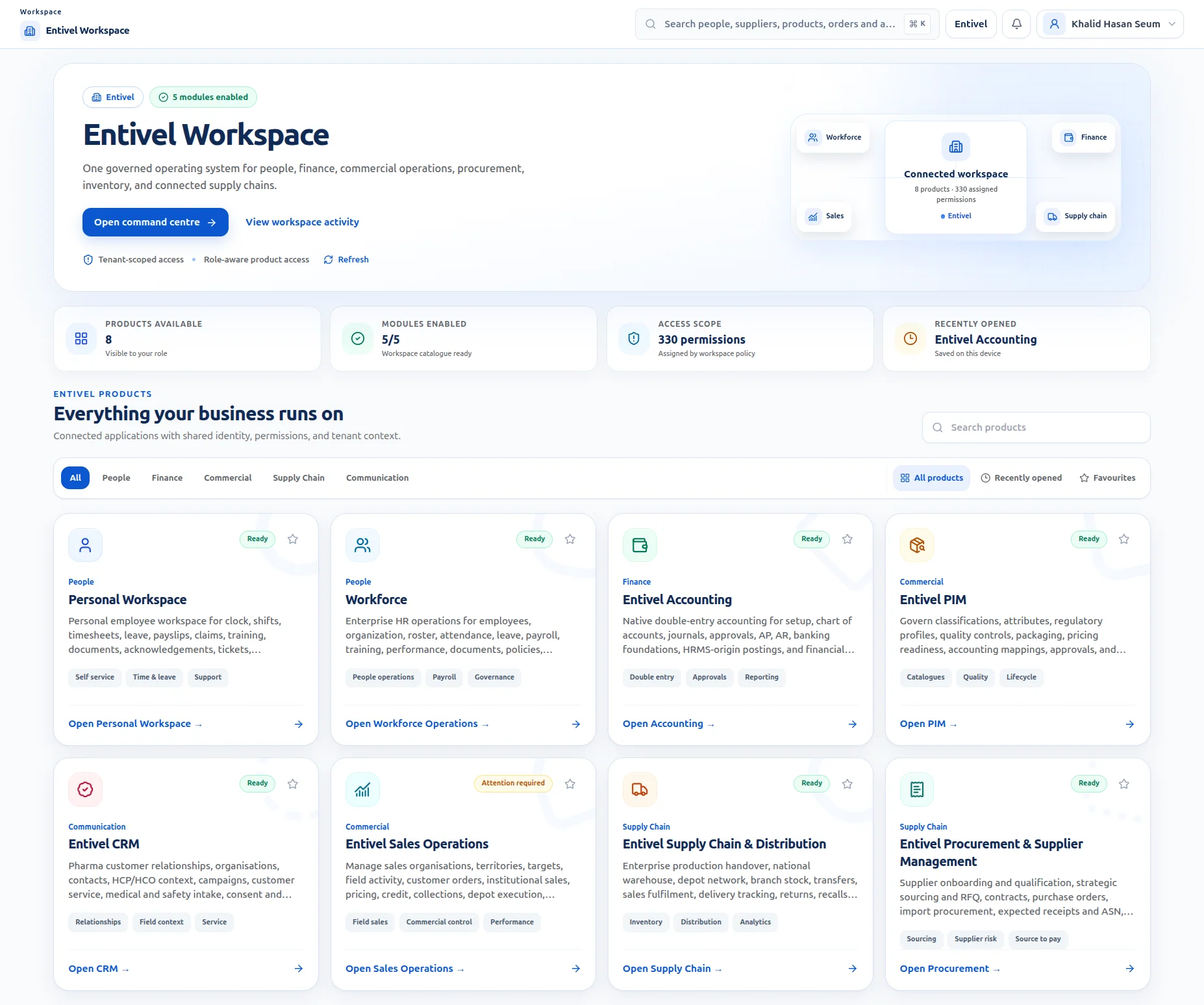
Entivel helps businesses review website security, access control, cloud exposure and software risk before small issues become expensive incidents. Learn more at https://entivel.com.