
For every Australian Small to Medium Business (SMB) owner, the promise of Artificial Intelligence feels like a lifeline. It promises efficiency gains, reduced operational costs, and market agility that was unimaginable even five years ago. Tools powered by generative AI,from drafting marketing copy to analysing complex financial data,are no longer futuristic concepts; they are essential business tools.
However, this rapid adoption comes with an urgent warning: the speed of innovation is outpacing our security policies. Cybersecurity experts and industry bodies, including CPA Australia, are urging Australian businesses to take immediate action. The challenge isn't just adopting AI; it’s doing so securely and compliantly. Ignoring this shift means leaving your business vulnerable to risks that traditional IT safeguards were never designed to detect.
TL;DR:
AI is a game-changer, but it introduces unique cyber risks (like data leakage and prompt injection). Traditional security policies are insufficient. Australian SMBs must proactively build an AI cybersecurity compliance framework Australia by focusing on three pillars: Data Governance, Employee Training, and Automated Policy Enforcement. Don't wait for a breach to update your strategy,start now.
The Dual Nature of AI: Opportunity Meets Risk
It is critical for business owners to view AI not as a single technology, but as an operational layer that changes how data flows through the entire organization. This dual nature is where the risk lies.
On one side is unprecedented efficiency. On the other are entirely new attack vectors. When you ask an external generative model to summarise proprietary client data, or when your employee uses AI in a non-sanctioned way, sensitive information can leak out through simple queries (data leakage). Furthermore, attackers are learning to exploit these models themselves using techniques like prompt injection, essentially tricking the AI into bypassing its safety protocols.
The core message is this: The risk isn't just *using* AI; it's how you manage the inputs and outputs of your data within that process. This makes developing a robust AI cybersecurity compliance framework Australia non-negotiable for maintaining trust and meeting regulatory requirements.
Why Traditional Policies Fall Short in the Age of AI
Most businesses still rely on security policies built around perimeter defence. They focus on firewalls, anti-virus software, and controlling who accesses which physical network segment. These approaches were effective when data stayed within the company's walls.
AI fundamentally changes the ‘walls.’ When you use a cloud AI tool, your data leaves your private servers and is processed by a third party. Your policies must therefore shift from asking: “Who can access this server?” to asking: “What sensitive information are we allowing to leave our control, and how do we govern its use externally?”
The Compliance Gap
For Australian SMBs, the biggest gap relates to data sovereignty and privacy. Under laws like the Privacy Act, managing third-party usage of client data is complex. Simply having a 'Acceptable Use Policy' isn't enough when the tool itself (the AI) can inadvertently violate that policy by retaining or exposing your inputs.
Building Your Proactive Compliance Roadmap
Instead of treating security as a checklist of outdated rules, successful businesses are adopting an adaptive governance model. Here is how Australian SMBs can build genuine resilience and master SMB cyber risk management AI.
- Conduct a Data Governance Review: Don't assume all data is safe to use in public AI tools. Catalogue your most sensitive data (client lists, intellectual property, financial models). Determine if the tool you are using meets specific Australian data residency and privacy requirements. This answers the question: 'Where does my data live when I prompt it?'
- Mandatory Employee Education on Secure AI Usage: Policies must be living documents. Training needs to move beyond 'don't click suspicious links.' It must teach employees what constitutes sensitive data, how to redact information before using public AI tools, and the specific risks of sharing proprietary prompts or code snippets. This is a key component of an Australian small business data privacy guide.
- Implement Automated Policy Enforcement: The ideal solution involves technological controls that govern usage *before* a breach occurs. This means integrating AI-use policies into your digital workflow,using tools that monitor outgoing data streams for patterns indicative of leakage or non-compliant queries. This moves security from being a manual policing task to an automated, preventative system.
Best Practices for AI Governance in Small Businesses Australia
To secure compliant adoption, focus on three governance pillars:
- Transparency: Know exactly which data is going into the tool and what the service provider promises to do with it (i.e., does it use your prompts for model training?).
- Access Control: Implement role-based access controls even when using AI tools, ensuring only those who need it can initiate high-risk processes.
- Audit Trails: Maintain comprehensive logs of how and when AI is used in critical business functions to satisfy compliance requirements if an incident occurs.
Practical Tips by Category
🤖 AI Tips
Before adopting any new AI tool, run a 'Data Sensitivity Audit.' Ask this question: If this data were exposed tomorrow, what would be the financial and reputational cost?
🛡️ Cybersecurity Tips
Treat all generative AI inputs as if they are being sent to an untrusted third party. Assume that anything you input could become part of a model's training dataset.
💻 Business Technology Tips
Prioritise solutions that offer 'on-premise' or highly secured, private cloud deployment options when handling mission-critical data, rather than relying solely on public APIs.
Entivel Perspective: Turning This Into Safer Growth
The challenge of integrating AI into a secure and compliant Australian operational framework is significant. It requires more than just updating a document,it demands architectural changes to how your data moves through your business systems.
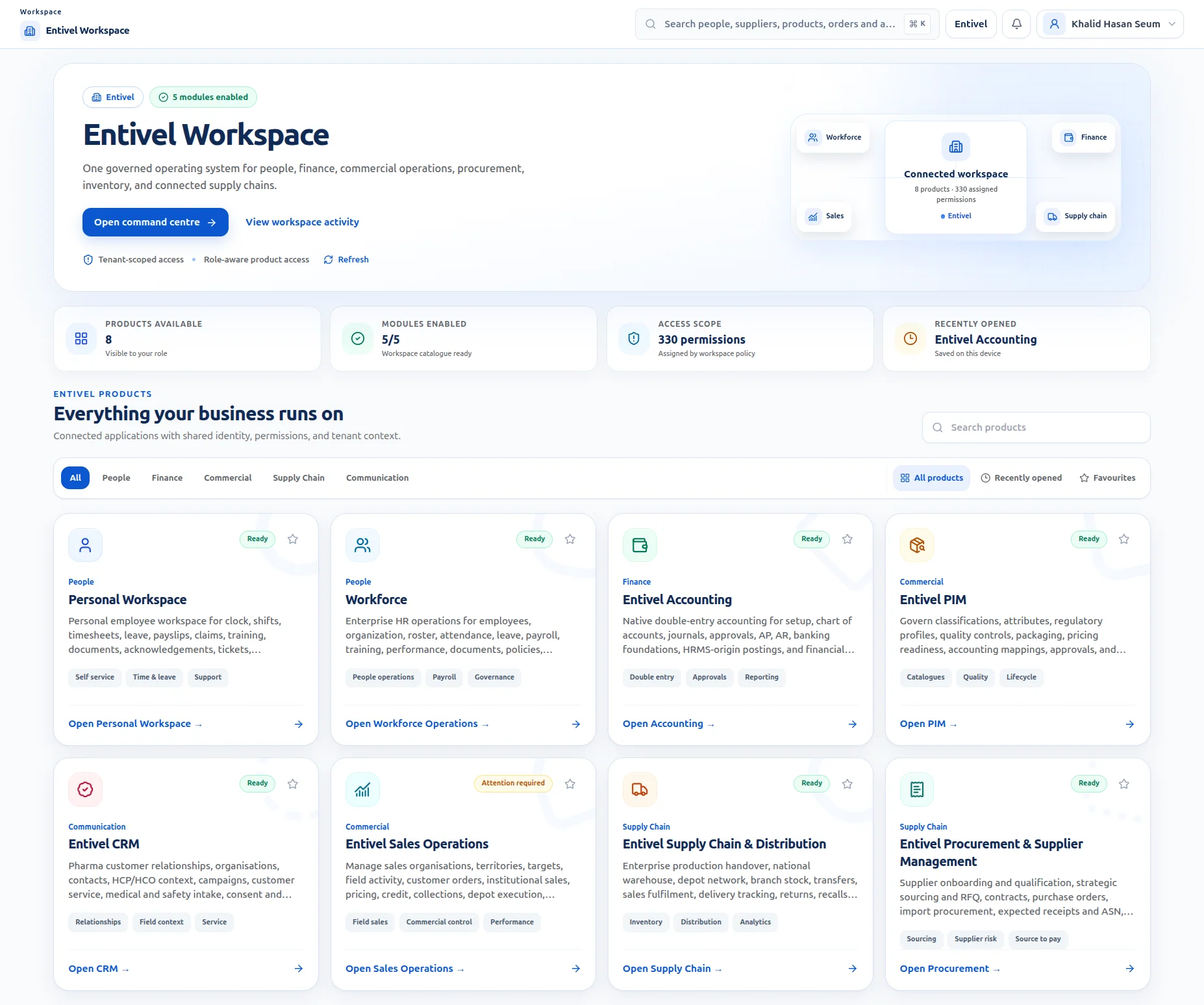
At Entivel, we specialise in helping Australian SMBs navigate this complexity. We don't just sell software; we build comprehensive digital ecosystems that secure the entire lifecycle of your information, from collection and storage to automated AI processing. Our solutions help businesses implement the necessary layers of data governance, automate policy enforcement, and ensure that the incredible power of AI is harnessed without compromising compliance or security.
Ready to move beyond theoretical risk assessment and build a truly resilient, compliant digital strategy? Let's discuss how we can secure your growth.
Explore Entivel Solutions for Secure AI Integration
How Entivel can help
Entivel helps businesses review website security, access control, cloud exposure and software risk before small issues become expensive incidents. Learn more at https://entivel.com.